Discover the World of Magnetic Products

Explore our comprehensive showcase of magnetic components for industrial, commercial, and consumer applications.
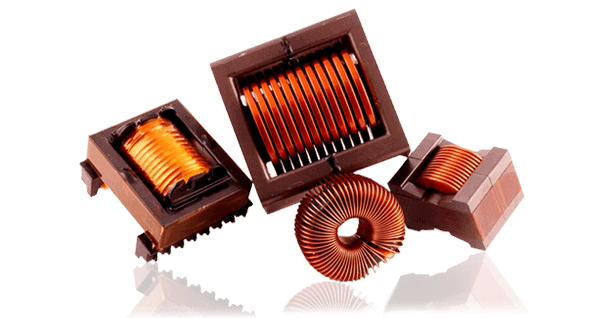
Magnetic Components

Magnetic Components for Modern Electronics

Magnetic components are critical elements in modern electronics, power systems, and electrical applications. They help transform, control, and direct electrical energy through the principles of electromagnetic induction.

Power Conversion

Magnetic components enable efficient power conversion, voltage regulation, and current control in electrical systems.

EMI Protection

Magnetic materials provide essential electromagnetic interference protection in sensitive electronic equipment.

Signal Processing

Magnetic components play vital roles in filtering, coupling, and processing electrical signals for communication systems.

Transformers

Transformers are passive electrical devices that transfer electrical energy from one circuit to another through electromagnetic induction. They are essential components in power distribution systems and electronic devices.
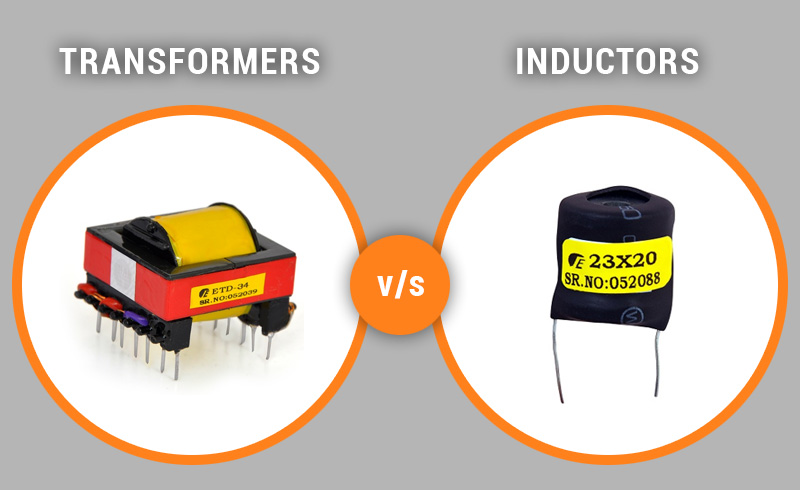
Types of Transformers

  • Step-Up Transformers: Increase voltage and decrease current from primary to secondary windings.
  • Step-Down Transformers: Decrease voltage and increase current from primary to secondary windings.
  • Isolation Transformers: Provide electrical isolation between circuits while maintaining similar voltage levels.
  • Autotransformers: Use a single winding for both primary and secondary circuits.
  • Pulse Transformers: Designed for transmitting rectangular electrical pulses.
  • Audio Transformers: Optimized for audio frequency signals.

Applications

  • Power generation and distribution systems
  • Voltage regulation in electrical grids
  • Industrial machinery and equipment
  • Consumer electronics and appliances
  • Audio equipment and sound systems
  • Medical devices and healthcare equipment
Different types of transformers

Key Features

Voltage transformation

Electrical isolation

Impedance matching

Circuit protection

Efficient power transfer

EMI suppression

Inductors

Various inductors

Key Features

Energy storage

Current smoothing

Frequency filtering

Noise suppression

Voltage regulation

Compact size options

Inductors are passive electronic components that store energy in the form of a magnetic field when electric current flows through them. They resist changes in electric current passing through them, and this property makes them extremely useful in various electronic circuits.

Types of Inductors

  • Air Core Inductors: Wound on a non-magnetic core, providing low inductance but high frequency operation.
  • Iron Core Inductors: Feature a ferromagnetic core, offering higher inductance values.
  • Ferrite Core Inductors: Made using ferrite materials for high frequency applications.
  • Toroidal Inductors: Wound on a ring-shaped core, providing excellent magnetic shielding.
  • Multilayer Chip Inductors: Surface-mount components for compact electronic devices.
  • Coupled Inductors: Multiple inductors sharing a common magnetic path.

Applications

  • Power supplies and voltage regulators
  • RF circuits and wireless devices
  • Filter circuits and signal processors
  • DC-DC converters and energy harvesting
  • Sensors and measuring equipment
  • Lighting ballasts and LED drivers

Current Transformers

Current transformers (CTs) are special-purpose transformers that produce an alternating current in their secondary winding proportional to the current being measured in their primary. They are widely used for measuring current and monitoring power in electrical systems.
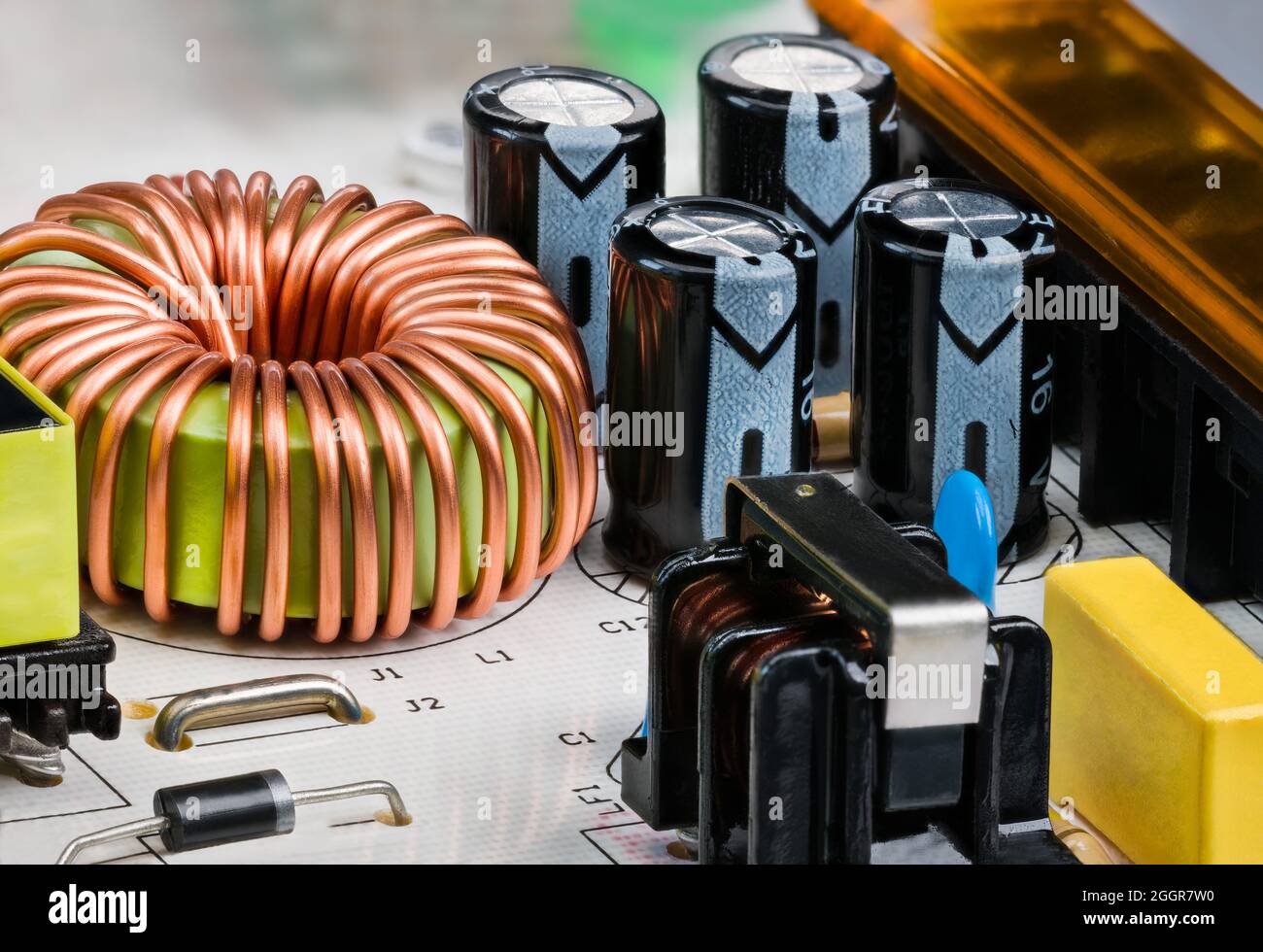
Types of Current Transformers

  • Wound Current Transformers: Primary winding physically wound around the core.
  • Bar-Type Current Transformers: Use a straight conductor passing through the core as a primary.
  • Window-Type Current Transformers: Feature a window or opening through which the primary conductor passes.
  • Split-Core Current Transformers: Can be opened to install around existing conductors.
  • Bushing Current Transformers: Installed inside high-voltage equipment bushings.
  • Rogowski Coils: Air-core current transformers for high current measurement.

Applications

  • Electrical metering and billing
  • Protective relaying in power systems
  • Power quality monitoring
  • Current measurement in substations
  • Industrial automation and control
  • Energy management systems
Current transformers and applications

Key Features

Current measurement

Circuit isolation

Overcurrent protection

High accuracy

Wide measurement range

Compact installation
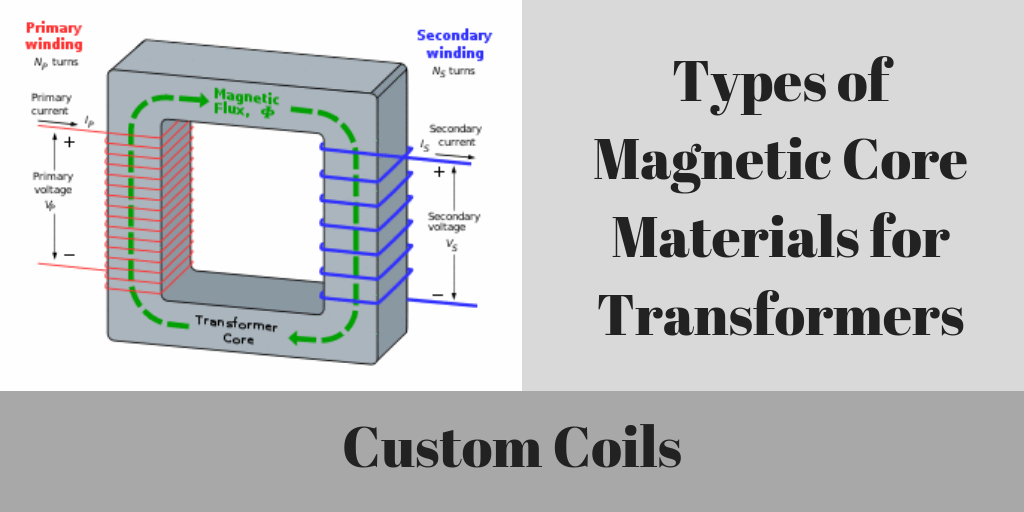
Magnetic Cores

Magnetic core types

Key Features

Enhanced inductance

Magnetic flux concentration

Lower power losses

Temperature stability

Frequency response

Size optimization

Magnetic cores are materials with high magnetic permeability used to guide and concentrate magnetic fields in transformers, inductors, and other electromagnetic devices. The core's properties significantly impact the performance and efficiency of magnetic components.

Types of Magnetic Cores

  • Laminated Steel Cores: Made of thin layers of silicon steel, used in power transformers.
  • Ferrite Cores: Ceramic compounds containing iron oxide, ideal for high-frequency applications.
  • Powdered Iron Cores: Composed of iron particles, providing moderate permeability and good frequency stability.
  • Amorphous Cores: Made from rapidly cooled metal alloys, offering low core losses.
  • Nanocrystalline Cores: Feature extremely fine grain structure for superior magnetic properties.
  • Toroidal Cores: Ring-shaped cores providing optimal magnetic path efficiency.

Applications

  • Power distribution transformers
  • High-frequency transformers
  • Inductors for filter applications
  • Chokes for power supplies
  • EMI suppression components
  • Magnetic amplifiers and sensors

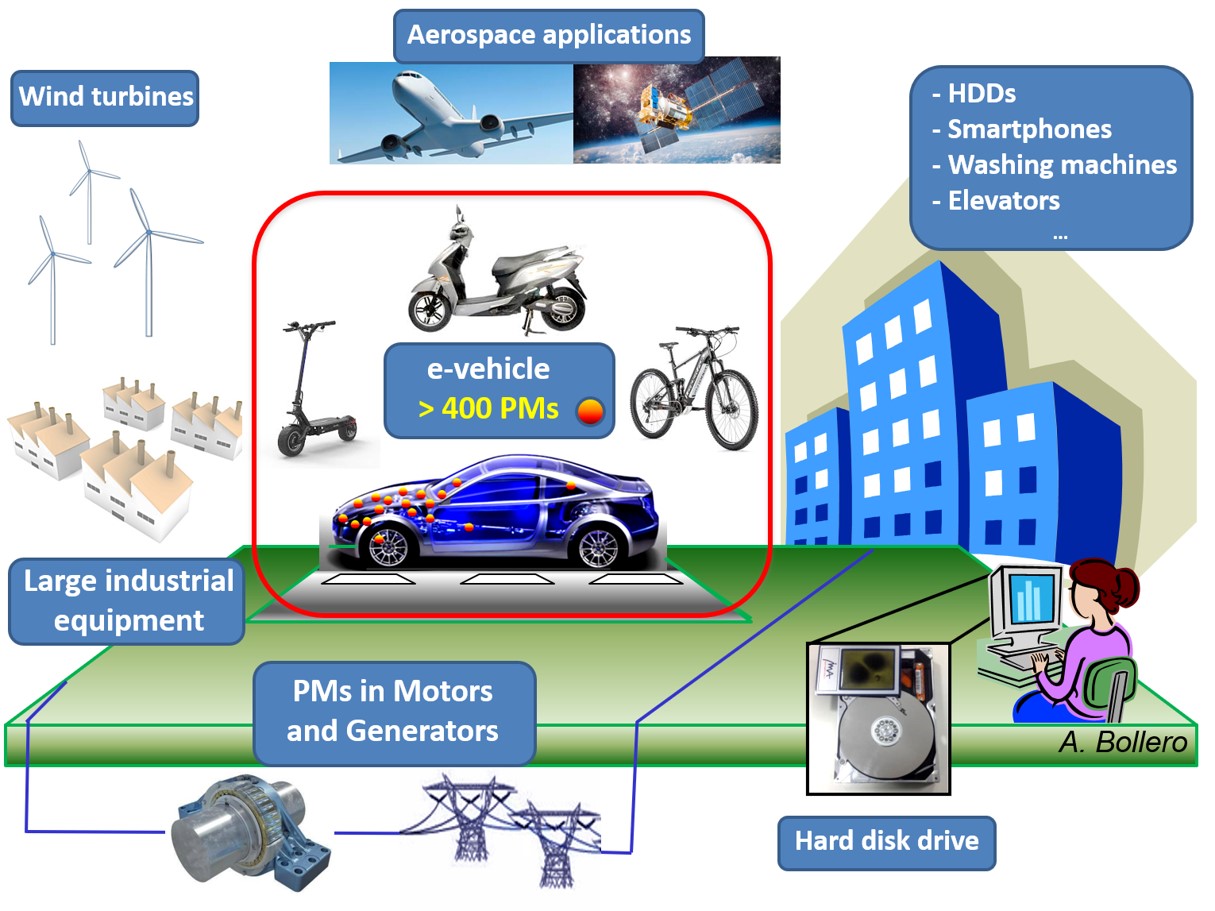
Permanent Magnets

Permanent magnets are objects made from magnetized material that create their own persistent magnetic field without requiring an external electric current. They provide essential functionality in countless applications across various industries.
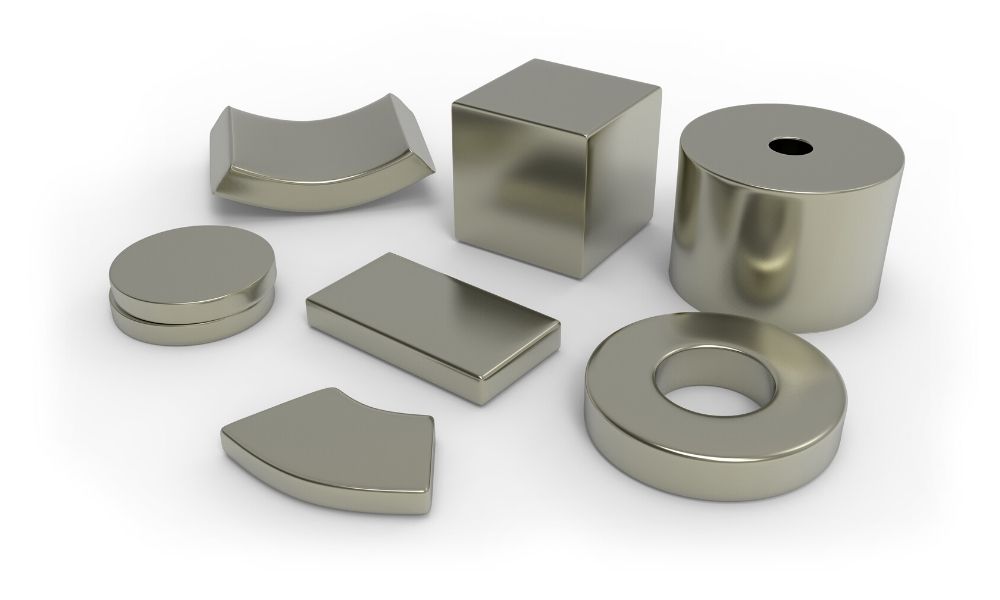
Types of Permanent Magnets

  • Neodymium Magnets (NdFeB): Extremely powerful rare-earth magnets with the highest strength-to-weight ratio.
  • Samarium Cobalt Magnets (SmCo): Rare-earth magnets with excellent temperature stability and corrosion resistance.
  • Alnico Magnets: Aluminum-nickel-cobalt alloy magnets with good temperature stability and moderate strength.
  • Ceramic/Ferrite Magnets: Economical magnets made from iron oxide and strontium/barium carbonate.
  • Flexible Rubber Magnets: Ferrite powder embedded in rubber or plastic for flexible applications.
  • Injection Molded Magnets: Plastic-bonded magnets formed through injection molding processes.

Applications

  • Electric motors and generators
  • Magnetic fasteners and holders
  • Medical devices (MRI machines)
  • Speakers and headphones
  • Hard disk drives and data storage
  • Automotive sensors and systems
Permanent magnet types

Key Features

Persistent magnetic field

Various strength levels

Different temperature ranges

Corrosion resistance options

Multiple shape possibilities

Energy efficiency
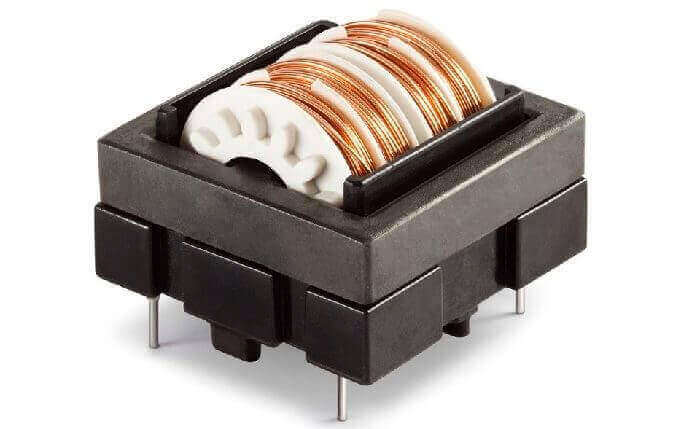
Ferrite Components

Ferrite components

Key Features

High resistivity

Low eddy current losses

High-frequency performance

EMI suppression

Cost-effective

Stable performance

Ferrite components are magnetic elements made from ceramic compounds composed of iron oxide mixed with other metallic elements. These materials combine magnetic properties with high electrical resistance, making them ideal for high-frequency applications.

Types of Ferrite Components

  • Soft Ferrites: Used in transformers, inductors, and electromagnetic interference suppression.
  • Hard Ferrites: Used as permanent magnets in various applications.
  • Ferrite Beads: Suppress high-frequency noise in electronic circuits.
  • Ferrite Rods: Used as antennas in radio receivers and RFID applications.
  • Ferrite Toroids: Ring-shaped cores for transformers and inductors.
  • Ferrite Plates: Used in magnetic shielding and wireless charging applications.

Applications

  • Switch-mode power supplies
  • EMI/RFI filters and suppressors
  • Wireless charging systems
  • Telecommunications equipment
  • RFID and NFC technology
  • Broadband transformers

Magnetic Shielding Materials

Magnetic shielding materials are specialized substances that redirect, block, or attenuate magnetic fields. They protect sensitive equipment from electromagnetic interference and contain magnetic fields within specific areas.
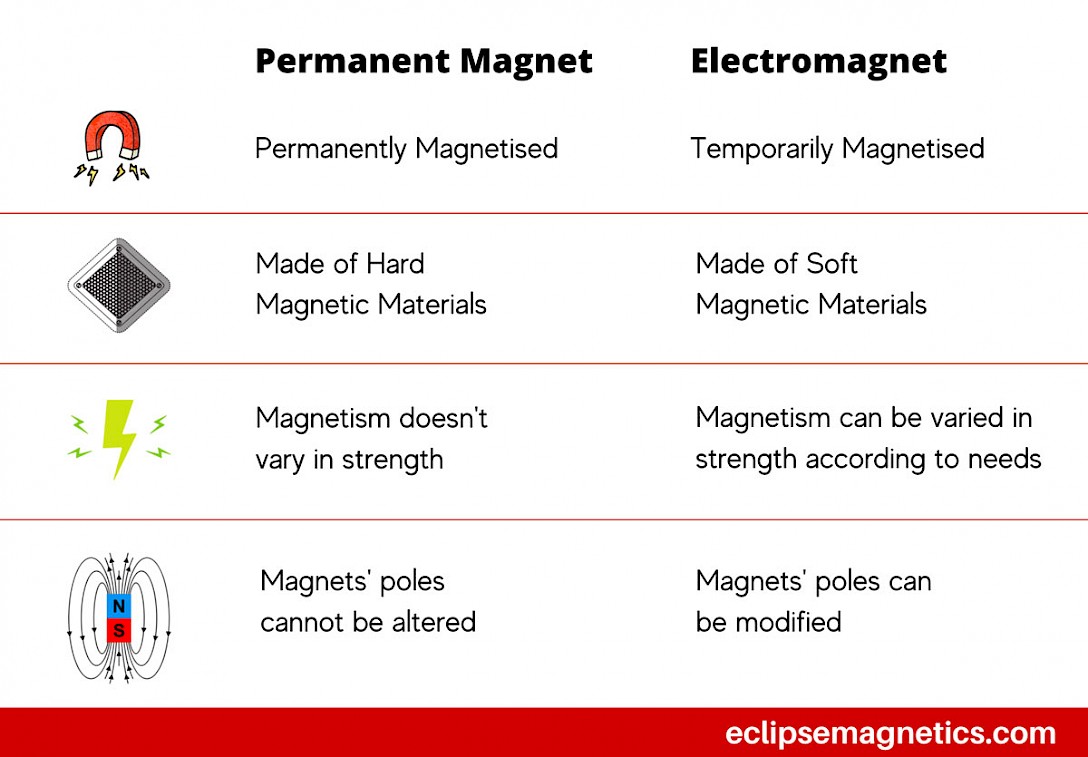
Types of Magnetic Shielding Materials

  • Mu-Metal: Nickel-iron soft magnetic alloy with very high permeability, excellent for low-frequency shielding.
  • Permalloy: Nickel-iron magnetic alloy with high permeability and low coercivity.
  • Silicon Steel: Iron alloy with silicon, used for moderate shielding applications.
  • Ferrite Sheets: Flexible ferrite materials for RF and high-frequency shielding.
  • Metglas: Amorphous metal alloy with high permeability for specialized applications.
  • Conductive Foils: Aluminum and copper foils for electromagnetic shielding.

Applications

  • Medical equipment (MRI rooms)
  • Scientific instruments and laboratories
  • Data centers and server rooms
  • Audio/video equipment
  • Military and aerospace electronics
  • Transformer containment and safety
Magnetic shielding applications

Key Features

Magnetic field redirection

EMI/RFI protection

Equipment isolation

Magnetic containment

Customizable formats

Multiple layer options

Magnetic Products Comparison

Product Type Frequency Range Power Handling Size Range Key Applications
Transformers Power: 50-60Hz
Audio: 20Hz-20kHz
RF: Up to MHz
mW to MW Small (mm) to Very Large (m) Power distribution, Voltage conversion, Signal isolation
Inductors DC to GHz μW to kW Very Small (SMD) to Medium Energy storage, Filtering, Power conversion
Current Transformers Power frequency (50-60Hz) Measurement only Small to Large Current measurement, Protection, Monitoring
Magnetic Cores DC to GHz (material dependent) Application dependent Very Small to Large Transformers, Inductors, EMI suppression
Permanent Magnets DC (static field) N/A Very Small to Large Motors, Sensors, Holding applications
Ferrite Components kHz to GHz mW to kW Very Small to Medium RF circuits, Noise suppression, Power supplies
Magnetic Shielding DC to MHz (material dependent) N/A Small to Very Large EMI protection, Sensitive equipment, Medical

Featured Magnetic Products

Power Transformer

High-Efficiency Power Transformers

Industrial-grade transformers with superior voltage regulation and energy efficiency.
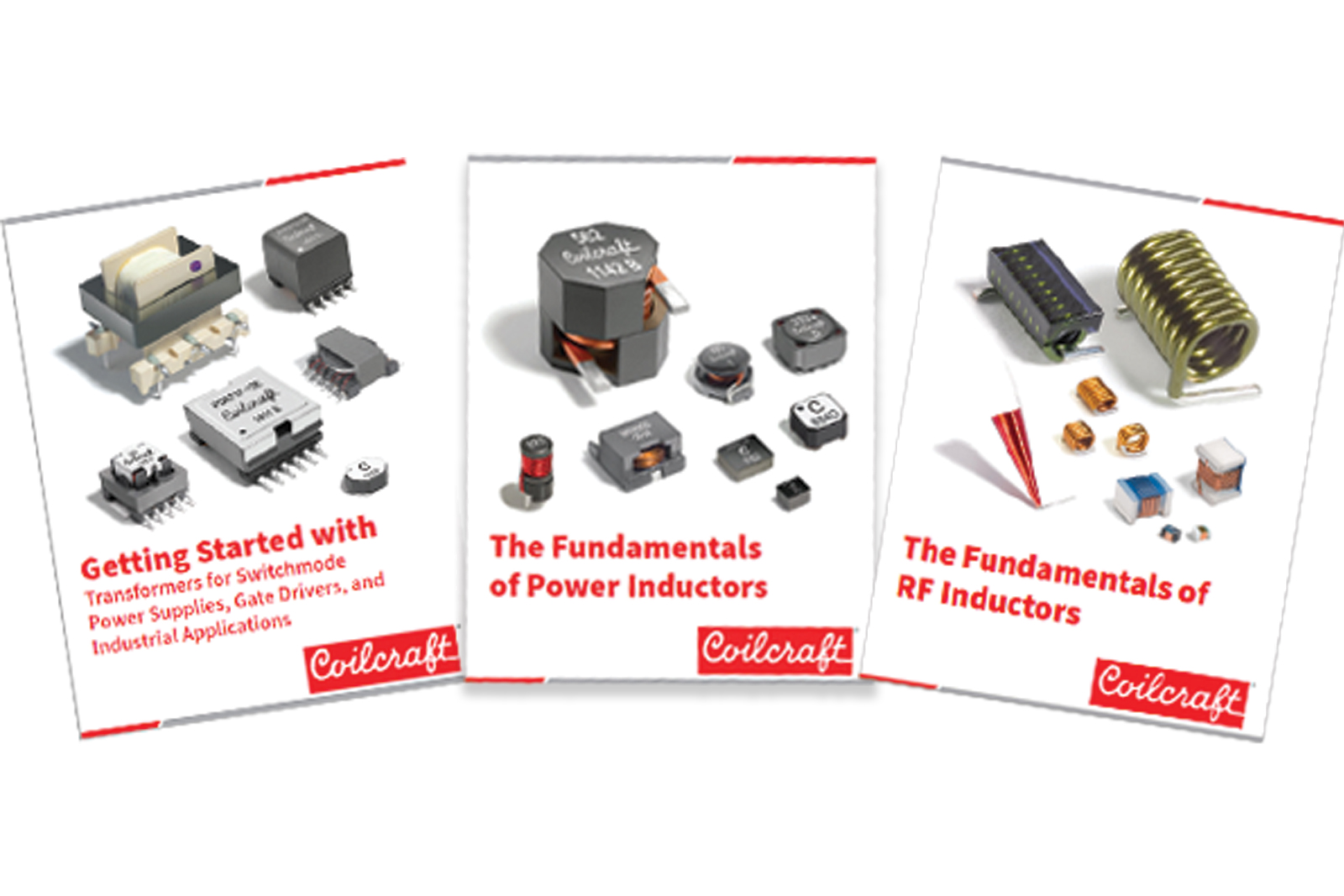
Starting at $49.99
SMD Inductors

Surface Mount Inductors

High-performance SMD inductors for mobile devices and compact electronics.
Starting at $0.99
Neodymium Magnets

Premium Neodymium Magnets

Ultra-strong permanent magnets with N52 grade for demanding applications.

Starting at $12.99
Ferrite Core Kit

Ferrite Core Assortment Kit

Comprehensive kit of ferrite cores in various shapes for prototyping and repair.

Starting at $24.99

Industry Applications

Industrial Automation

Magnetic components are essential in industrial automation systems, providing power conditioning, motor control, sensor functionality, and signal processing capabilities.

  • Motor drives and controllers
  • Proximity sensors and detectors
  • Control system power supplies

Renewable Energy

Magnetic components are critical in renewable energy systems, enabling efficient power generation, conversion, and grid integration.

  • Solar inverters and converters
  • Wind turbine generators
  • Energy storage systems

Medical Technology

Magnetic components are fundamental in medical devices and diagnostic equipment, providing precise control and reliable operation.

  • MRI machines and imaging equipment
  • Patient monitoring systems
  • Therapeutic and surgical devices

Get In Touch

Contact Information

Our Address

123 Magnetics Way, Electronics City
Technology Park, 12345

Phone Number

+1 (555) 123-4567

Email Address

[email protected]

Business Hours

Monday - Friday: 9:00 AM - 5:00 PM
Saturday & Sunday: Closed

Follow Us